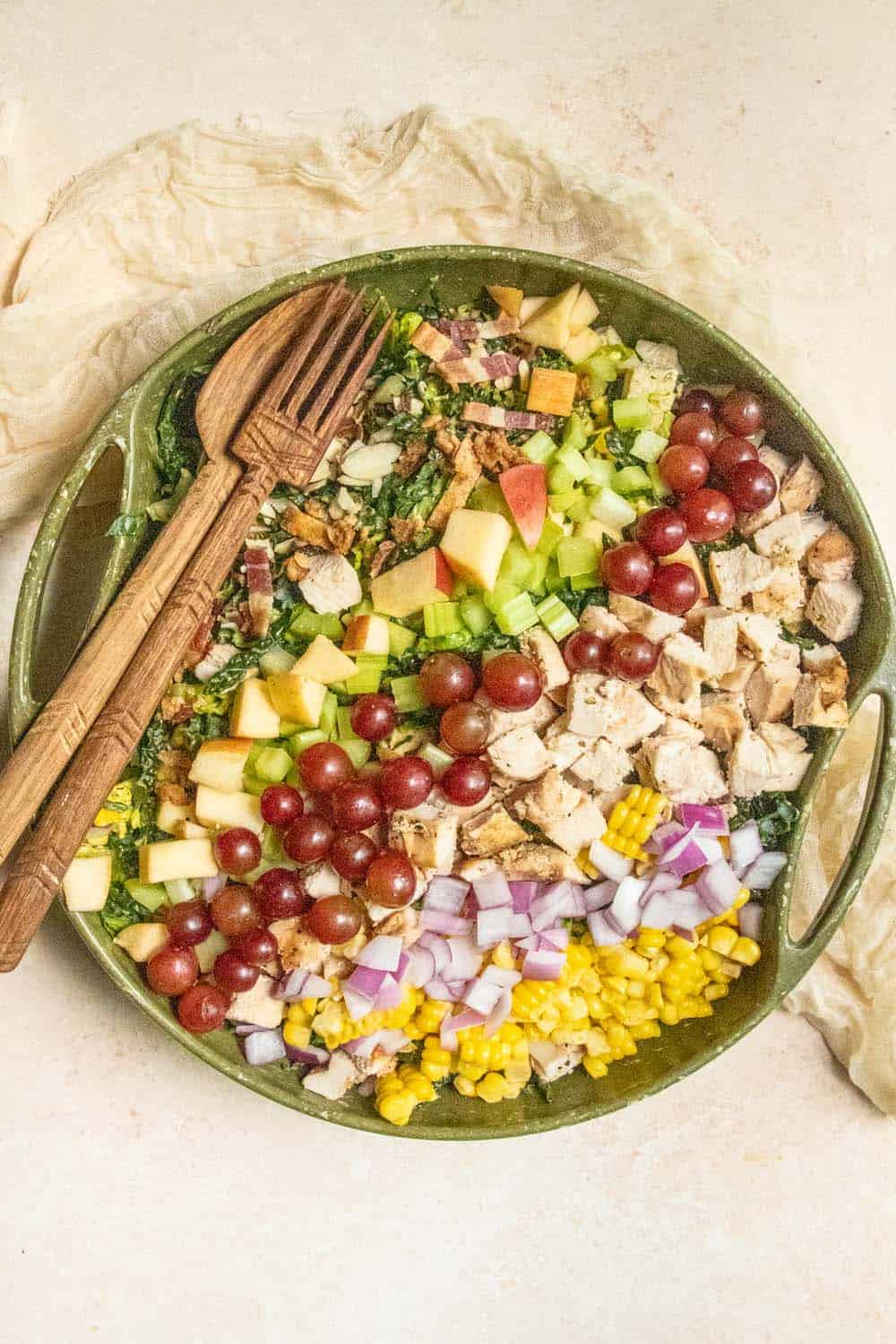
In the bustling world of culinary delights, some dishes transcend mere sustenance to become a true experience. The humble salad, often relegated to a side dish or a quick, uninspired meal, has undergone a revolutionary transformation. Enter the chopped vegetable salad: a culinary game-changer that promises not just a meal, but a symphony of flavors and textures in every single bite. Far from the sprawling, unwieldy greens of traditional salads, a chopped salad offers a meticulous, harmonious blend that redefines what a salad can be.
Imagine a salad where every ingredient, from crisp bell peppers and juicy tomatoes to tender beans and sweet corn, is cut into perfectly uniform, bite-sized pieces. This isn't just about aesthetics; it's about engineering the ultimate flavor delivery system. The magic lies in this precision, ensuring that each forkful isn't dominated by one ingredient but rather bursts with a balanced medley of tastes and textures. It’s no wonder this method has garnered a dedicated following, transforming the mundane into the magnificent and making healthy eating an absolute joy.
The Philosophy Behind the Perfect Chopped Vegetable Salad: A Symphony in Every Bite
At the heart of the chopped salad phenomenon is a simple yet profound philosophy:
- Enhanced Flavor Integration: No more fishing for that elusive piece of avocado or being overwhelmed by a giant lettuce leaf. With every ingredient uniformly sized, the flavors meld together effortlessly. A bite can simultaneously offer the sweetness of corn, the tang of tomato, the crunch of cucumber, and the savory note of a bean, creating a complex and satisfying taste profile. This is beautifully exemplified in recipes like Martha Stewart���s favorite, passed down from her daughter Alexis, where a colorful mix of fresh summer vegetables tastes as good as it looks because of this very principle.
- Effortless Eating Experience: Say goodbye to awkward struggles with oversized leaves and ingredients tumbling off your fork. The evenly-sized bits of a chopped vegetable salad make it incredibly easy and enjoyable to eat. It’s a clean, mess-free experience that allows you to savor each mouthful without fuss.
- Optimal Dressing Distribution: One of the greatest struggles with traditional salads is achieving an even coating of dressing. Chopped salads solve this beautifully. With smaller, more numerous surfaces, each sliver of vegetable or protein gets thoroughly coated in the dressing, ensuring a burst of flavor in every single bite. This transformation from "big chunks of bland leaves" to "evenly-sized bits of salad sensation" is truly a game-changer for those who appreciate robust flavor.
- Textural Harmony: Beyond just taste, the uniform chop creates a delightful interplay of textures. The crispness of cucumber, the pop of corn, the tenderness of blanched beans, and the slight chew of bell peppers all come together to create a dynamic mouthfeel that keeps each bite interesting and satisfying.
This deliberate approach elevates the simple act of eating a salad into a truly gourmet experience. It transforms raw ingredients into a cohesive, flavorful dish that truly satisfies on multiple levels.
Beyond the Basics: Crafting Your Signature Chopped Salad Experience
While the foundational principle of even chopping remains constant, the beauty of a chopped vegetable salad lies in its boundless versatility. The concept is so foolproof that you can truly experiment with an endless array of ingredients and dressings, making it a success every time. It’s an open invitation to unleash your culinary creativity and tailor a salad to your exact preferences, dietary needs, or even cultural inspirations.
Consider going beyond the classic cucumber, tomato, and bell pepper. Dive into a world of diverse textures and tastes:
- Proteins Power-Up: Add grilled chicken, chickpeas, black beans, lentils, tofu, hard-boiled eggs, or even flaked salmon for a substantial main course.
- Grains for Goodness: Incorporate cooked quinoa, farro, couscous, or wild rice to add heartiness, fiber, and a satisfying chew.
- Fruits for Freshness and Sweetness: Diced apples, pears, berries, grapes, or even sweet figs can introduce delightful bursts of sweetness and contrasting textures.
- Cheeses for Creaminess and Pungency: Crumbles of feta, goat cheese, blue cheese, or finely shredded Parmesan can elevate the flavor profile significantly.
- Crunch Factor Amplified: Think outside the crouton box! Salty potato chips (a surprisingly delicious swap!), toasted nuts (almonds, walnuts, pecans), seeds (pumpkin, sunflower), or crispy fried onions add an irresistible textural dimension.
- Global Inspirations: Draw from diverse culinary traditions. Imagine a Thai-inspired chopped vegetable salad with a honey peanut dressing, shredded carrots, bell peppers, and cilantro, or a Mediterranean version with olives, feta, and a lemon-oregano vinaigrette. Traditional Turkish dishes also offer fantastic inspiration for vibrant, flavor-packed combinations.
- Pickled Perfection: Quick-pickled vegetables like red onions, cucumbers, or carrots can add a wonderful tangy crunch that cuts through richness and brightens the whole dish.
The possibilities are genuinely endless, allowing you to continually discover new favorite combinations. For more innovative ideas and how to master these varied elements, explore how to Craft the Perfect Chopped Salad: Crunch, Color, and Big Flavor. It’s about having fun and eating well, knowing that every bite will deliver big on both texture and taste.
The Art of the Chop: Techniques for Maximum Flavor and Enjoyment
Achieving the perfect chop is less about advanced knife skills and more about patience and attention to detail. Here are some practical tips to ensure your chopped vegetable salad truly shines:
- Invest in a Sharp Knife: A sharp chef's knife makes the chopping process safer, more efficient, and more enjoyable. Dull knives are actually more prone to slipping.
- Uniformity is Key: While not every piece needs to be identical, strive for similar sizes. This ensures even cooking (if blanching) and, crucially, a consistent texture and flavor distribution in every bite.
- Prep Your Ingredients: Wash and dry all produce thoroughly. Blanch tougher vegetables like string beans, wax beans, and corn kernels briefly in boiling water, then immediately plunge them into an ice bath to stop cooking and preserve their vibrant color and crispness.
- Layer Your Chops: Start with denser vegetables, then move to softer ones. For example, chop bell peppers and cucumbers first, then tomatoes, and finally tender herbs like cilantro.
- The Right Cutting Board: Use a stable, large cutting board to give yourself ample space to work.
- Dressing Directly in the Bowl: A brilliant tip from Alexis’s recipe is to mix the dressing directly into the salad bowl with the chopped vegetables. This not only ensures every piece is coated but also reduces the number of dishes you have to clean. A simple dressing of extra-virgin olive oil, delicate rice wine vinegar, a touch of sliced jalapeño, and plenty of chopped cilantro creates a subtle bite and beautiful balance.
- Season Thoughtfully: Don't forget salt and freshly ground black pepper. Taste as you go and adjust seasonings as needed.
Mastering these simple techniques will transform your salad preparation from a chore into a rewarding culinary act, guaranteeing a delicious outcome every time.
Unlocking Versatility: Chopped Salads for Every Occasion and Lifestyle
Beyond their incredible flavor and ease of eating, chopped vegetable salads are remarkably versatile, fitting seamlessly into various lifestyles and dietary needs. They are the ultimate meal prep champion, a brilliant solution for busy individuals, and a fantastic way to increase vegetable intake for everyone.
- The Meal Prep Marvel: Prepare a large batch of chopped vegetables at the beginning of the week. Store them in airtight containers, keeping the dressing separate. When mealtime rolls around, simply combine a portion of your pre-chopped medley with dressing for a quick, fresh, and healthy meal. This prevents soggy salads and saves precious time during busy weekdays.
- Dietary Customization: Chopped salads are inherently adaptable. Easily create vegan, gluten-free, low-carb, or high-protein versions by simply swapping ingredients. This makes them ideal for households with diverse dietary preferences or restrictions.
- Main Course or Side Dish: A generous bowl of chopped vegetable salad, especially with added protein and grains, makes for a satisfying and complete meal. Alternatively, a lighter version serves as a vibrant and refreshing side dish for grilled meats, seafood, or sandwiches.
- Kid-Friendly & Appealing: The bite-sized pieces can be more appealing to children who might be hesitant about larger vegetable chunks. Plus, the colorful nature of many chopped salads is visually engaging.
- Entertaining with Ease: A large, colorful chopped salad makes a stunning centerpiece for potlucks, barbecues, or dinner parties. Its robust nature means it travels well and holds up better than delicate leafy greens.
It’s clear why chopped salads have earned the seal of approval from even salad aficionados like Paul Newman. They are what you make of them – infinitely customizable, consistently delicious, and always satisfying. For inspiration on creating truly effortless, flavorful, and versatile chopped salads that even Martha Stewart would approve of, dive into Martha's Favorite Chopped Salad: Easy, Flavorful & Versatile.
In conclusion, the chopped vegetable salad is much more than a trend; it's a culinary revelation. By embracing the simple principle of uniform cutting, it unlocks a world of integrated flavors, harmonious textures, and effortless enjoyment. It transforms ordinary ingredients into an extraordinary eating experience, making healthy eating both convenient and immensely satisfying. So grab your knife, gather your favorite fresh produce, and get ready to unlock ultimate flavor – your culinary journey is about to become a whole lot more exciting.
